Psychology Glossary
Psychology Glossary
I have been studying social science for 4 semesters, and I want to go in psychology in university. My glossary will help me prepare for my future studies. Reading this glossary can help enriched your vocabulary and learn new terms that you'll have to study later on. Psychology is far more interesting than we think we know. Source: https://www.sparknotes.com/psychology/psych101/glossary/terms/
- active listening
- noun
- Active listening is the practice of preparing to listen, observing what verbal and non-verbal messages are being sent, and then providing appropriate feedback for the sake of showing attentiveness to the message being presented.
- Example: A psychologist should practice active listening when meeting a new patient.
- en: écoute active
- adaptation
- noun
- An adaptation is any heritable trait that helps an organism, such as a plant or animal, survive and reproduce in its environment.
- Example: In addition, a decrease in size seems to have accompanied adaptation to an exclusively arboreal life.
- en: adaptation

- bias
- noun
- The distortion of results by a variable that is not part of the hypothesis.
- Example: Caramazza, suggests that such sentences are harder to understand than those with verbs that do conform to their biases.
- en: biais

- bipolar disorders
- noun
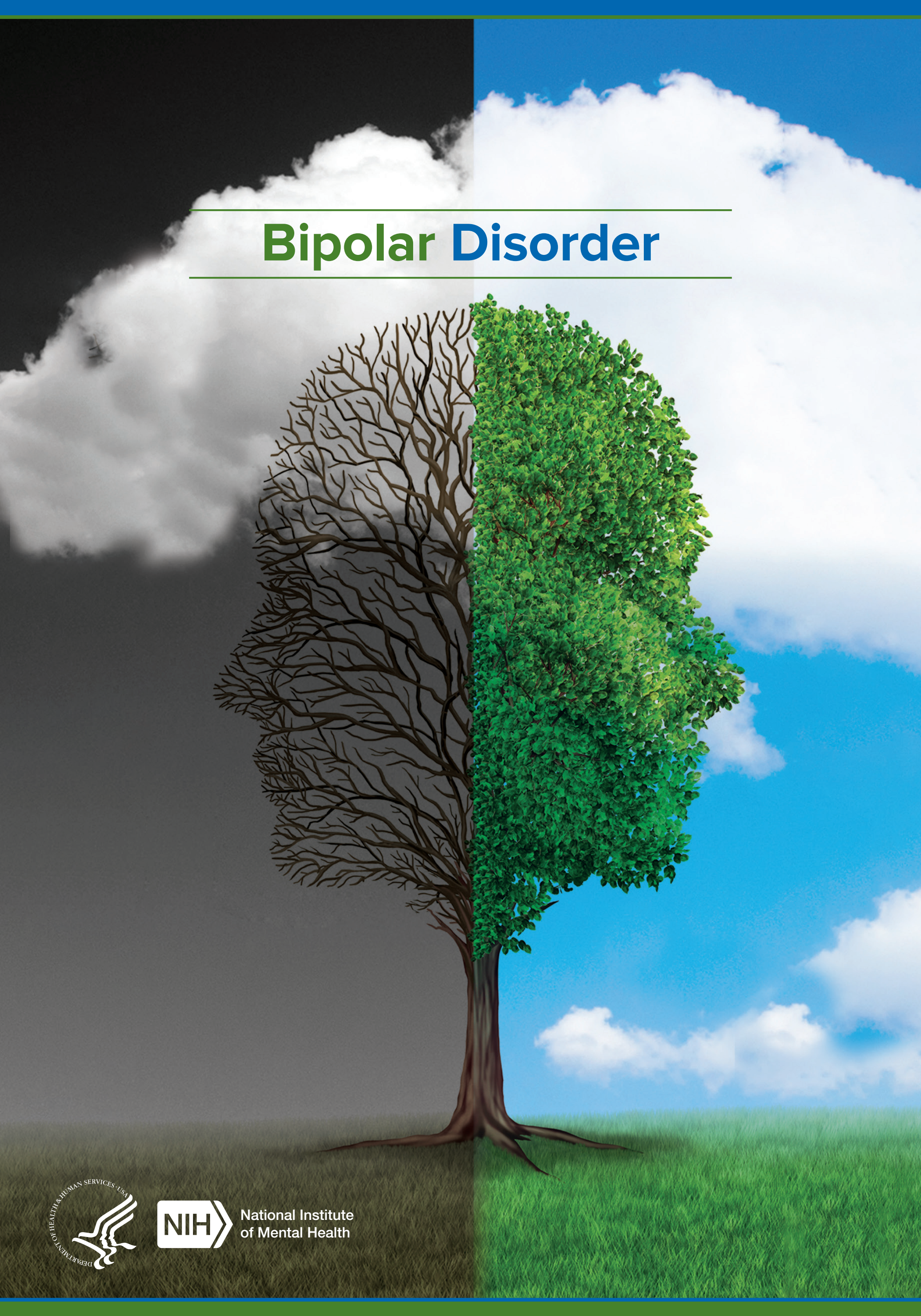
- Disorders in which people alternate between periods of depression and mania.
- Example: A patient can have a bipolar disorder.
- en: troubles bipolaires
- brain
- noun
- The main organ in the nervous system.
- Example: For example, brain washing is a form of attitude training which attempts to change the beliefs and values acquired within a particular culture
- en: cerveau

- catecholamines
- noun
- Hormones released by the adrenal medulla in response to stress.
- Example: Indicated by the rate of the excretion of the catecholamines, the state of the muscle tone grows.
- en: catécholamines

- cognition
- noun
- Thinking. It involves mental activities such as understanding, problem solving, decision making, and creativity.
- Example: A documented relationship exists between an individual's ethnicity culture and both affect and cognition in the learning of mathematics.
- en: cognition

- cognitive development
- noun
- Cognitive development is the construction of thought processes, including remembering, problem solving, and decision-making, from childhood through adolescence to adulthood.
- Example: Cognitive development is an important factor in a child's life.
- en: développement cognitif

- commitment
- noun
- The intent to continue a romantic relationship even in the face of difficulties.
- Example: Wilson, like Bevin, was willing to accept commitment in the world in order to sustain the special relationship.
- en: engagement
- cones
- noun
- Photo-receptor cells in the retina that allow people to see in color.
- Example: If x inactivation occurs in heterogeneous females, the allele properties will be separated so some cells will express aniline and some will express serine and the female will have in total, four wavelength specific cones
- en: cônes

- delusions
- noun
- False beliefs that are held strongly despite contradictory evidence.
- Example: Her many seeings of Christ and the Holy Family may have been delusions which she actually lived through, as Ruskin lived through his conflicts with the Devil.
- en: délires

- dementia
- noun
- A condition characterized by several significant psychological deficits.
- Example: An appendix of the document is comprised of 31 tactical tools for evaluation, facilitating, information gathering, and training materials that support the organizational transformation to a person-centered approach to care in an adult dementia day center.
- en: démence

- denial
- noun
- A defense mechanism that involves refusing to acknowledge something that is obvious to others.
- Example: The legitimacy of such infringement turns on the weight of the justifications for denial.
- en: déni

- diabetes
- noun
- A condition caused by a deficiency of insulin.
- Example: He has severe diabetes.
- en: diabète

- embryo
- noun
- A ball of cells that develops during the embryonic stage.
- Example: The nations of modern Europe can be discerned in embryo by the end of the first millennium, after the upheavals which accompanied the disintegration of the Pax Romana.
- en: embryon

- falsifiability
- noun
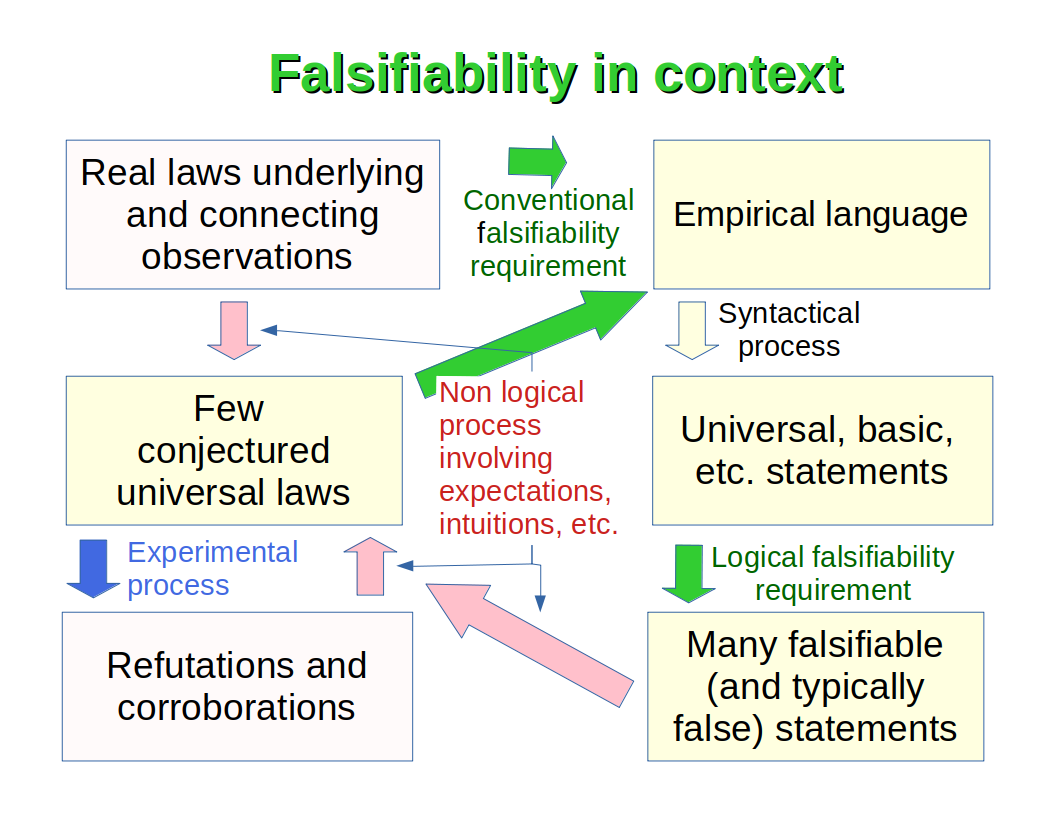
- The ability of a theory or hypothesis to be rejected.
- Example: The falsificationist sees science as a set of hypotheses that are tentatively proposed with the aim of accurately describing or accounting for the behavior of some aspect of the world or universe.
- en: falsifiabilité
- genes
- noun
- Segments of DNA that function as hereditary units.
- Example: In addition, it focuses on the presence or absence of single genes, while the genetic control even of simple physical features is of a more complex order to this.
- en: gènes

- mental illness
- noun
- Mental illnesses are health conditions involving changes in emotion, thinking or behavior (or a combination of these). Mental illnesses are associated with distress and/or problems functioning in social, work or family activities.
- Example: Students may suffer from mental illness such as anxiety and depression.
- en: maladie mentale

- motive
- noun
- Something (such as a need or desire) that causes a person to act.
- Example: Criminals usually have a motive for committing a crime.
- en: motif

- psychoanalysis
- noun
- A system of psychological theory and therapy which aims to treat mental disorders by investigating the interaction of conscious and unconscious elements in the mind and bringing repressed fears and conflicts into the conscious mind by techniques such as dream interpretation and free association.
- Example: Freud created and used psychoanalysis to treat some of his patients.
- en: psychanalyse

Comments
Post a Comment